Research: from historical sequences to future changes
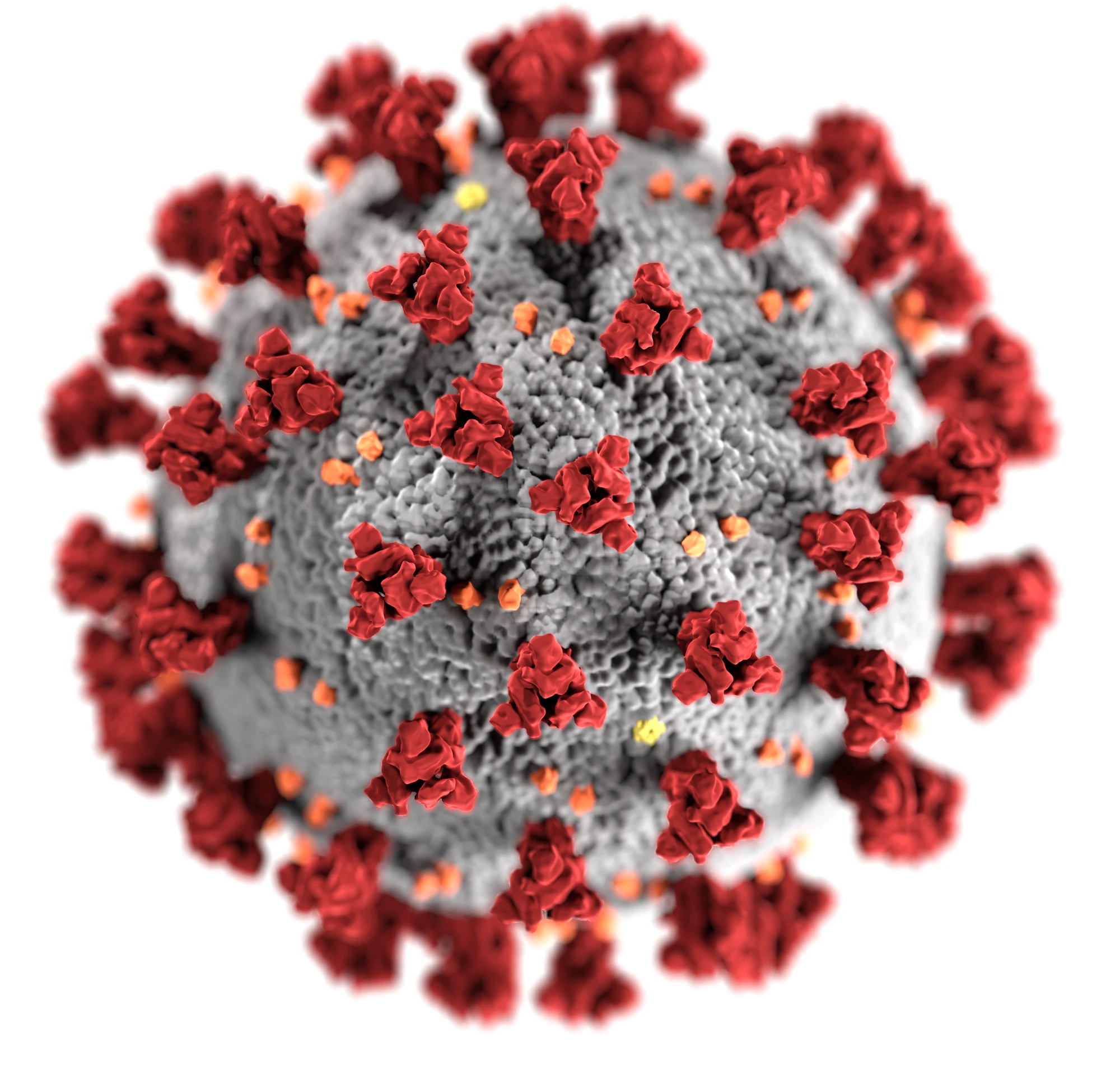
The EVEscape study, published in Nature in 2023, combined deep learning from historical viral protein sequences with structural and biophysical information. It ranked changes that might help a virus evade antibodies while retaining function. In a retrospective evaluation using information available before 2020, researchers reported agreement with changes subsequently observed in SARS-CoV-2. The paper also acknowledges that all conditions of a new pandemic, or the exact course of viral evolution, cannot be anticipated. This was not a clinical trial measuring vaccine efficacy in people.
Contribution to vaccine development: what should be tested first?
Oxford University’s announcement of 19 October 2023 describes potential contributions to vaccine design and surveillance, while identifying demonstration of practical value for design as a next step. The distinction matters: prioritizing candidate changes does not show that a vaccine informed by them protects people better. Our editorial interpretation is that the value of AI should be assessed through both its predictions and a clear account of the experiments those predictions subsequently guided.
Current assessment: which evidence does WHO consider together?
WHO’s vaccine antigen assessment of 16 May 2026 considers genetic surveillance, neutralization experiments, immune responses and vaccine effectiveness together. It highlights gaps in geographical representation and surveillance, alongside uncertainty about the timing and properties of future variants. An escape score is therefore different from this combined evidence. Antibody levels or laboratory findings should be distinguished from clinical outcomes such as infection and severe disease. We use this dated statement as an example of how evidence is assessed.
Regulatory authorization: publishing a model differs from approving a product
FDA’s vaccine development guide describes laboratory research, preclinical studies, human studies and product review as distinct stages. U.S. licensing considers safety and effectiveness alongside manufacturing quality and consistency. Publishing an AI paper does not authorize use of a vaccine candidate suggested by that model. The approved scope of a particular product should be assessed from its own documentation. This article does not recommend a personal vaccine choice or vaccination schedule.
Editorial perspective: how to read a prediction headline
When reading a research announcement, first identify what the model predicts, the cutoff date of its development data and the independent evidence used to test it afterward. Then examine laboratory findings, outcomes in people and regulatory decisions separately. Reporting missed changes and false alerts also strengthens assessment. This framework supports research literacy; the studies discussed here are not evidence of performance, clinical effectiveness or regulatory conformity for RAI products.
Sources
- Thadani et al. — Learning from prepandemic data to forecast viral escape (Nature, 2023) ↗
Accessed: 2026-10-26 - University of Oxford — New AI tool could help predict viral outbreaks (19 October 2023) ↗
Accessed: 2026-10-26 - WHO — Statement on the antigen composition of COVID-19 vaccines (16 May 2026) ↗
Accessed: 2026-10-26 - FDA — Vaccine Development – 101 ↗
Accessed: 2026-10-26
This article is for education and information. Referencing an organization does not imply its endorsement of RAI Health Pro. This is not a claim of clinical effectiveness for a product or model.