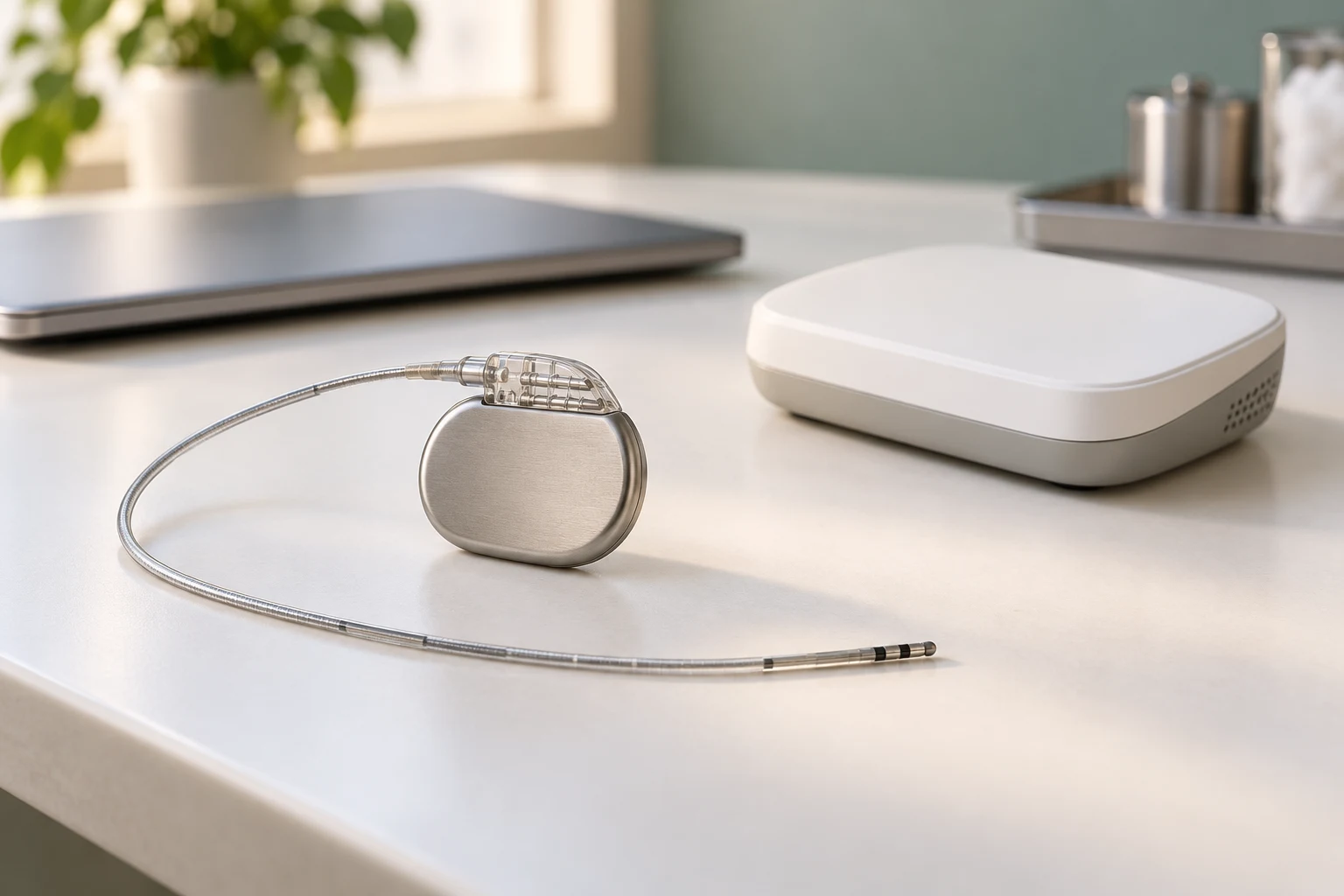
Tips for Clinicians - Keeping Your Patients’ Connected Medical Devices Safe
U.S. Food and Drug Administration · · Source
This English-language FDA educational video from 2022 addresses how clinicians can discuss connected-device cybersecurity with patients. It is not a news report or investigation finding about the 2026 Medtronic incident.
Opening this video connects to YouTube and may share device information with the provider. The privacy-enhanced player is used; cookies may be used during playback. Playback does not start automatically.
The incident: corporate system access in April 2026
Medtronic disclosed unauthorized access to data in some corporate IT systems on April 24, 2026, describing an April incident. Its June 29 update reported notifications to potentially affected people and no identified effect on product security, patient safety or manufacturing/distribution. The company reported containment and engagement of outside experts. These are company statements. The source does not specify the exact incident day, entry method, attacker identity or number of affected people; we leave these unknown.
A separate bulletin: vulnerabilities in the home monitor
The MyCareLink bulletin, published July 24, 2025, covers external patient monitors numbered 24950 and 24952. On May 7, 2026, the manufacturer announced final security updates and explicitly stated that this bulletin was unrelated to the corporate access incident. It reported no observed malicious exploitation. The affected monitoring unit is distinct from an implanted cardiac device; presenting the disclosure as an actual pacemaker attack would be misleading.
Technical cause: physical access and data protection
CISA’s Update A describes weaknesses in access control and protection of sensitive information. For example, CVE-2025-4386 concerns physical access control and CVE-2025-4394 concerns unencrypted storage. CISA states that these vulnerabilities cannot be exploited remotely and that no known public exploitation had been reported to it. That assessment does not explain the corporate breach’s entry route. The CISA advisory corroborates the device vulnerabilities; it is not an independent forensic investigation of the corporate incident.
Clinical communication: identify the affected product precisely
FDA emphasizes manufacturer monitoring of device risks and healthcare organizations’ protection of their own networks. Its official clinician video focuses on discussing connected-device security with patients. This general resource does not certify that a particular device is risk-free. When reading a notice, consider the model, software version, affected function and official update information together. This article does not recommend changing device settings or treatment.
Editorial assessment: keep separate organizational records
Our defensive recommendation is to maintain separate records for corporate incidents and device vulnerabilities. The first should track timing, data impact and service disruption; the second should track model, version, manufacturer notice and update verification by the authorized team. “Unknown,” “reported by the manufacturer” and “independently verified” are different evidence labels. Biomedical engineering, clinical staff and information security can assign an accountable owner to follow unresolved points. This is an editorial management framework, not a clinical protocol, regulatory compliance document or evidence of RAI product security effectiveness.
Sources
- Medtronic — Statement on unauthorized system access (April 24; updated June 29, 2026) ↗
Accessed: 2026-10-24 - Medtronic — MyCareLink Patient Monitor Vulnerabilities (July 24, 2025; updated May 7, 2026) ↗
Accessed: 2026-10-24 - CISA — Medtronic MyCareLink Patient Monitor (Update A), ICSMA-25-205-01 (May 7, 2026) ↗
Accessed: 2026-10-24 - FDA — Cybersecurity: medical-device risk management and clinician communication resources ↗
Accessed: 2026-10-24
This article is for education and information. Referencing an organization does not imply its endorsement of RAI Health Pro. This is not a claim of clinical effectiveness for a product or model.