Faqet prezantuese, regjistrimi, hyrja dhe udhëzuesi janë në shqip. Gjuhët e hapësirës klinike, raporteve AI dhe njohjes së të folurit mbështeten veçmas.
AI in healthcare. With evidence.
From medicines to biobanks: research, applications and their limitations, explored through trusted sources.
Artikujt ofrohen në turqisht dhe anglisht; disa edhe në estonisht dhe polonisht.

AI and RNA splicing: from prediction to validation
A genetic change can alter how RNA is processed. SpliceAI and Pangolin research, ClinGen clarifications and the new SpliceAI2 announcement help explain which questions a prediction can answer.
Read article and sources ↗
AI clinical trial matching: from prescreening to human review
Suggesting a clinical trial does not establish eligibility. The 2024 TrialGPT study and NLM’s explanations help clarify AI’s role in drug research and the limits of the evidence.
Read article and sources ↗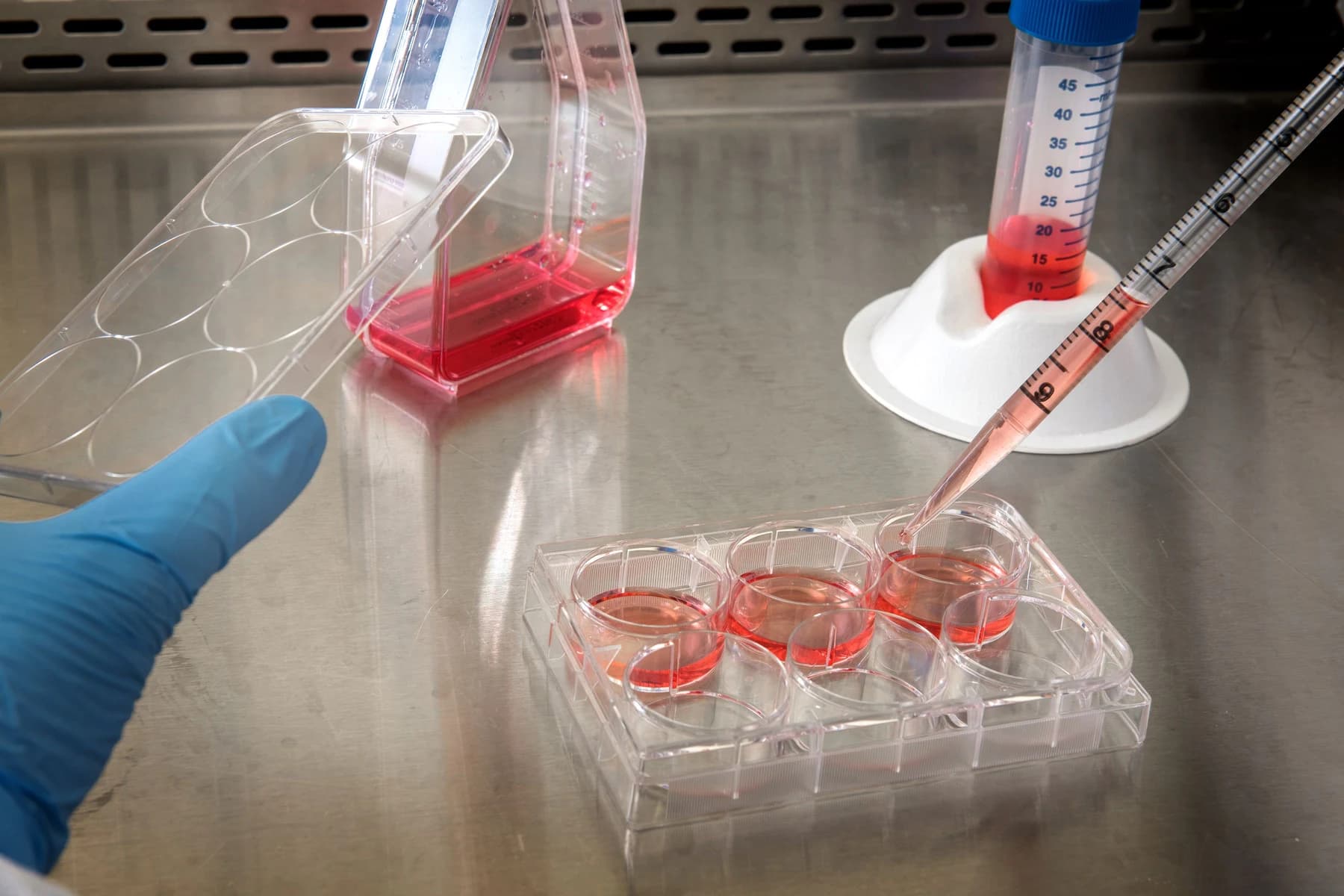
AI in single-cell biology: large models need independent evaluation
How useful is a model trained on millions of cells when it encounters new data? Reading scGPT alongside an independent evaluation helps separate research performance from clinical evidence.
Read article and sources ↗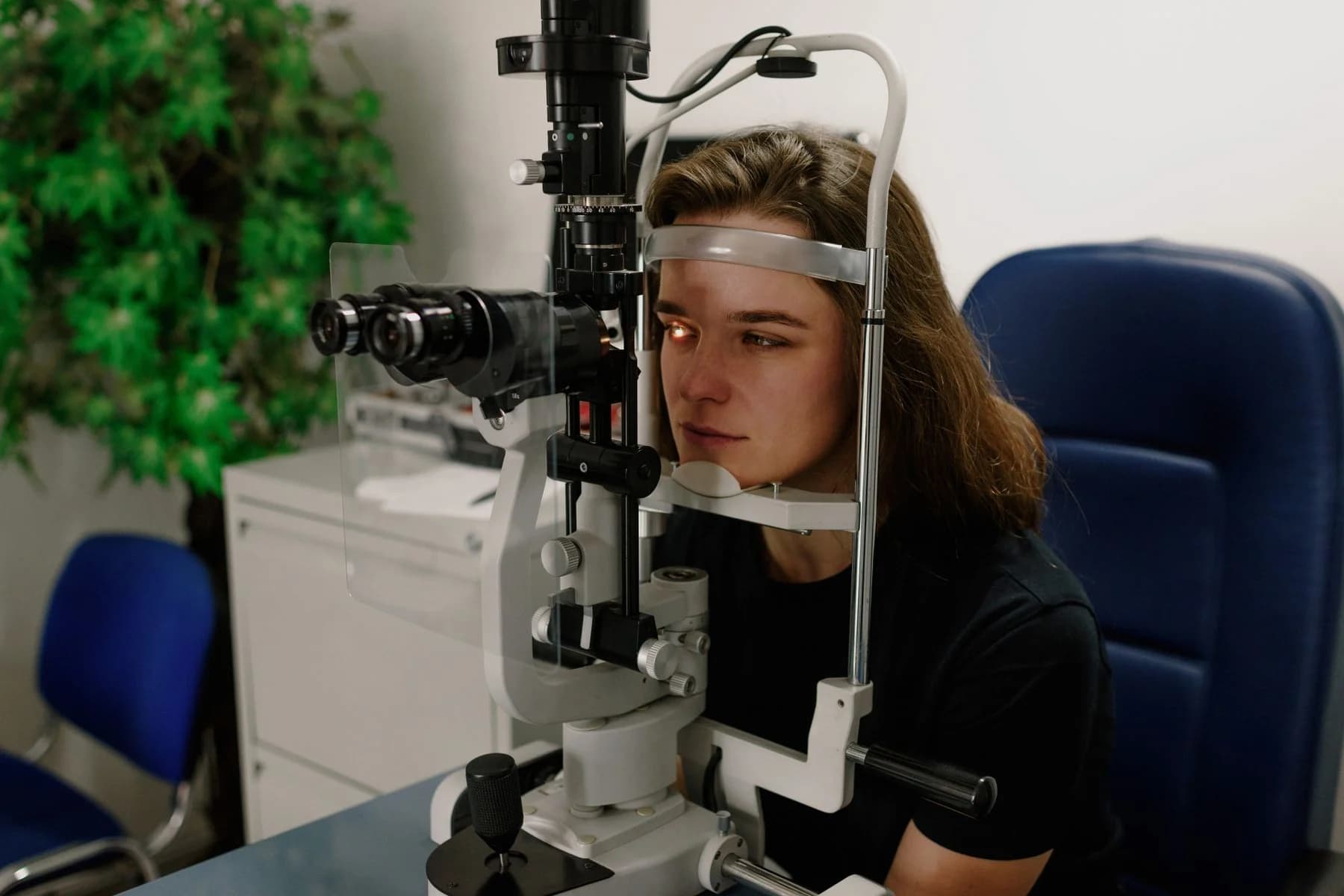
Autonomous AI in eye screening: from a model to a clinical workflow
What evidence should we read before relying on a screening system? The 2018 IDx-DR example helps separate intended use, research findings and clinical workflow.
Read article and sources ↗
Healthcare ransomware: restoring systems does not close the data investigation
Service recovery, data confidentiality and the origin of an incident are separate questions. We read an institutional disclosure alongside HHS and FDA guidance through that distinction.
Read article and sources ↗
AI in cancer vaccines: from target ranking to clinical evidence
AI can help prioritise targets for personalised cancer-vaccine research. Using BigMHC as an example, we examine why predictive performance, immune response and patient benefit need separate assessment.
Read article and sources ↗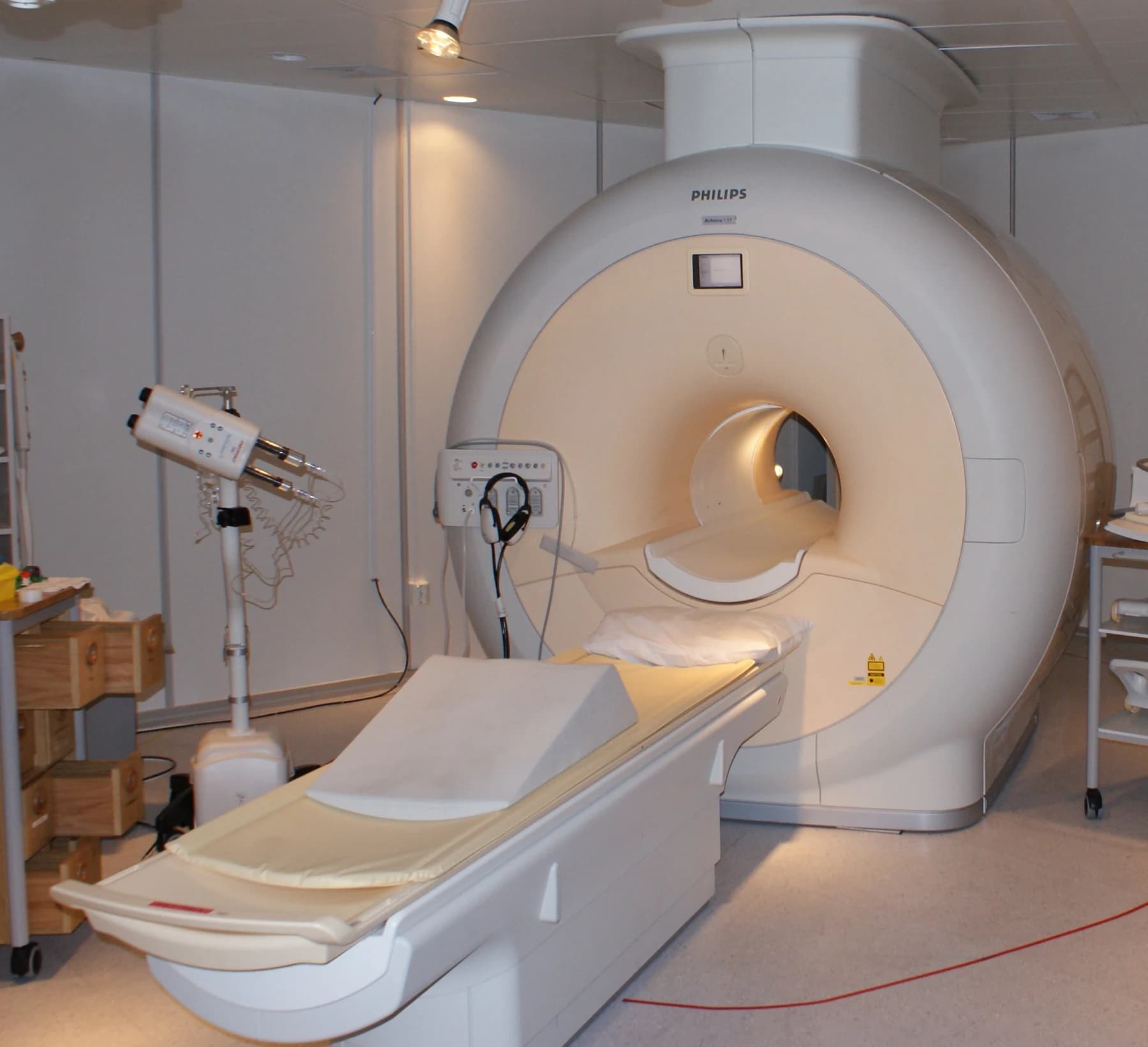
Imaging biobanks and AI: from MRI to research measurements
AI can turn biobank MRI scans into organ measurements and reference atlases. Why do quality control and the population represented matter in that process?
Read article and sources ↗
Digital pathology AI: will the model work in another laboratory?
A research score does not guarantee the same result across laboratories. Why task, data provenance and local validation belong together when comparing pathology AI models.
Read article and sources ↗
AI genetic variant interpretation: where does a score fit in clinical evidence?
An AI variant score is not a diagnosis. Using AlphaMissense and ClinGen’s calibration research to distinguish research output, strength of evidence and clinical interpretation.
Read article and sources ↗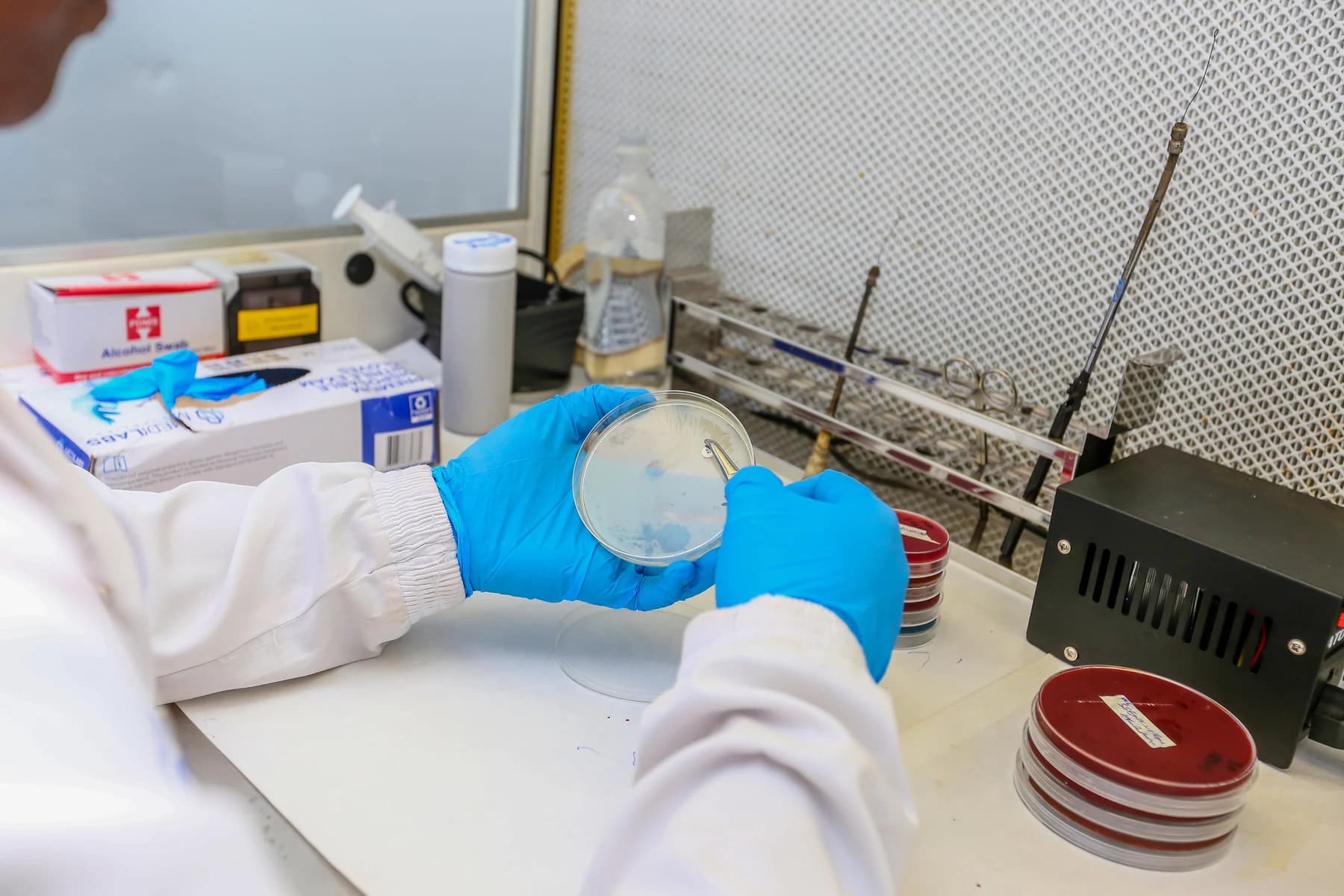
AI antibiotic discovery: what do explainable models add?
Understanding why a molecule was selected can help researchers investigate new antibiotic candidates. Separating explainable AI, experimental evidence and the remaining steps towards clinical use.
Read article and sources ↗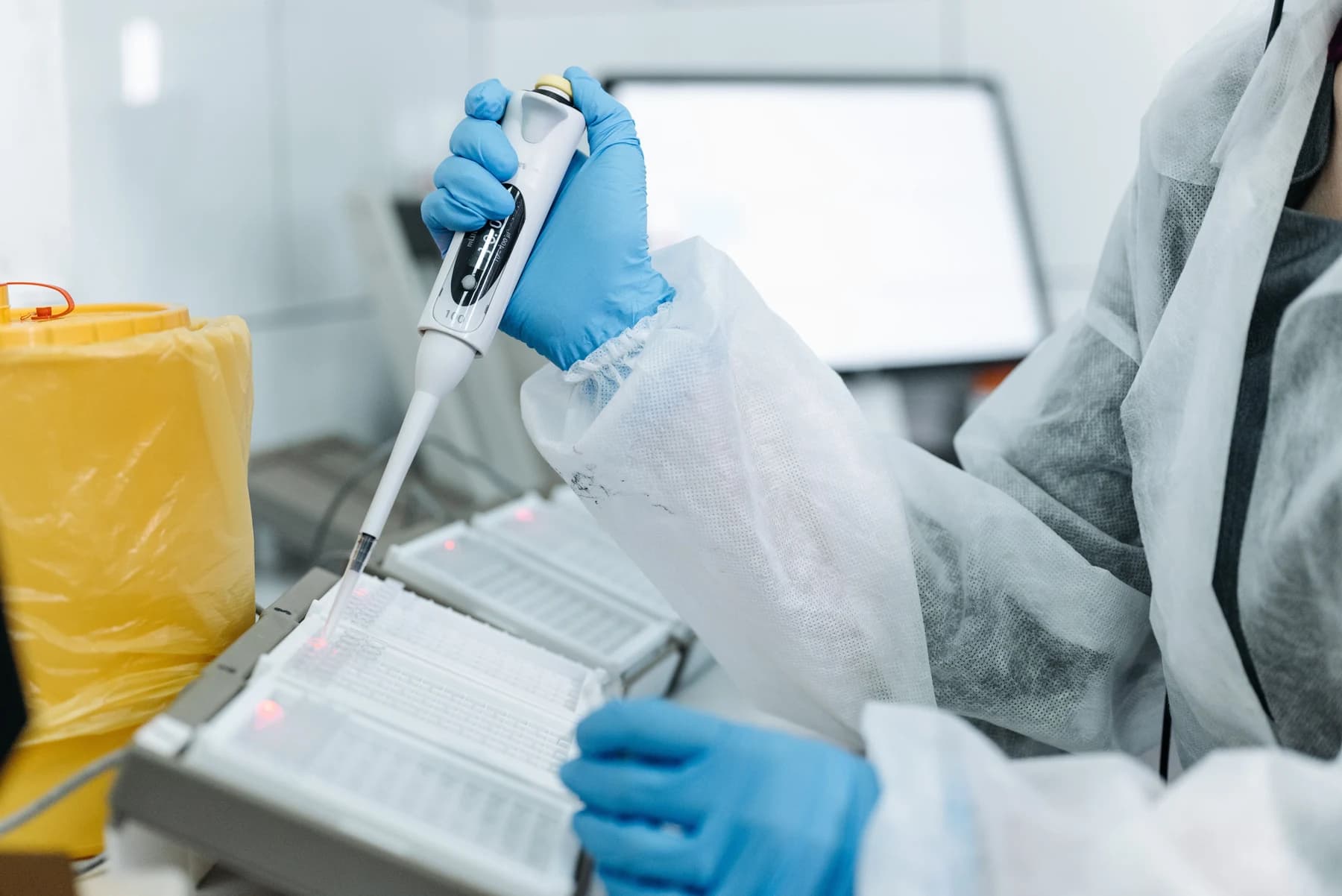
AI protein design: from model to laboratory
What does designing a new protein actually establish? Reading RFdiffusion and BindCraft while keeping experimental success separate from clinical benefit.
Read article and sources ↗
The Stryker cyberattack: lessons for healthcare continuity
A look back at March 2026: distinguishing corporate disruption, device safety and hospitals’ dependence on suppliers.
Read article and sources ↗
AI medical device updates: how do we control change?
A new model version is more than a software update. FDA and MHRA sources help explain predetermined change plans, ongoing monitoring and the information users need.
Read article and sources ↗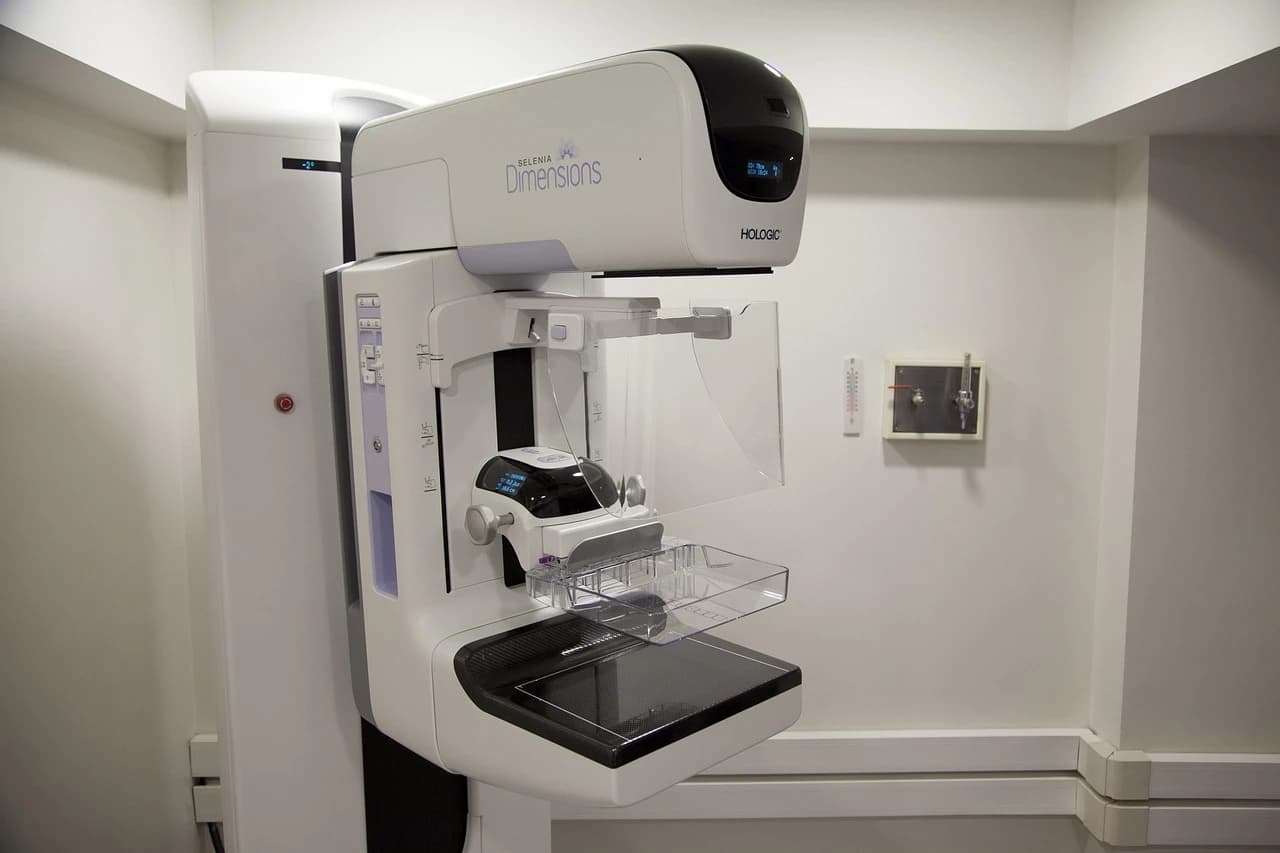
AI in mammography: how to read the MASAI trial results
More detection, fewer readings and follow-up outcomes are different measures. We examine the 2025 and 2026 MASAI publications within the limits of their evidence.
Read article and sources ↗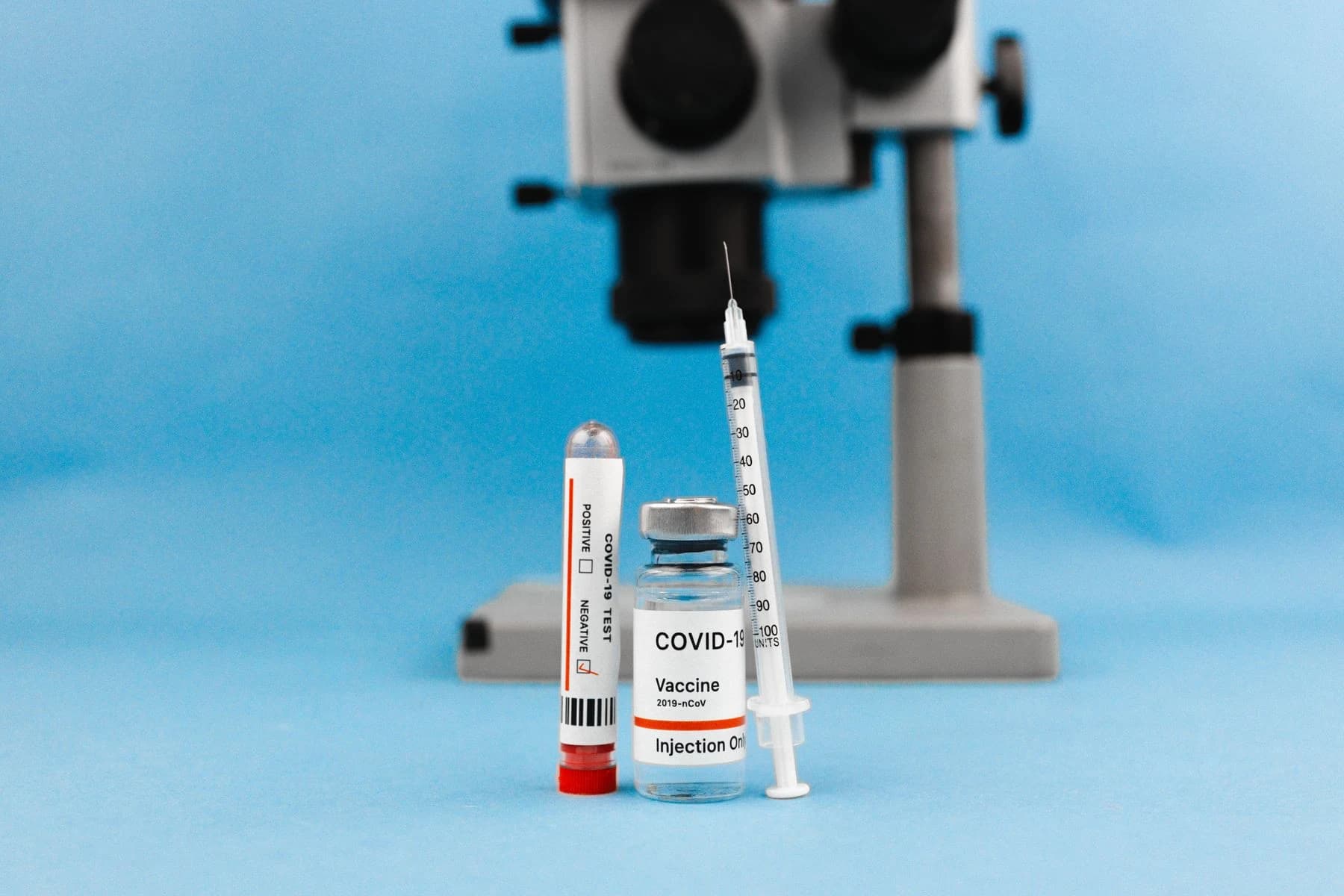
AI in vaccine research: from mRNA design to clinical evidence
How should we read a design algorithm’s success? We examine LinearDesign alongside WHO’s clinical development framework and EMA’s draft quality guidance.
Read article and sources ↗
AI in biobanks: from data quality to modelling disease risk
How can large research collections support AI? We examine data preparation, the Delphi study and the limits of model sharing using primary sources.
Read article and sources ↗
AI in digital pathology: from slides to decision support
Research performance, regulatory authorization and laboratory implementation answer different questions. We read an original study alongside FDA and NCI sources.
Read article and sources ↗
AI protein structure prediction: reading confidence in genetics research
A detailed protein model does not make every region equally reliable. We distinguish research evidence, open data resources and the limits of clinical interpretation.
Read article and sources ↗AI drug discovery: from molecules to clinical evidence
Designing a drug candidate with AI does not establish patient benefit. We read a phase 2a study alongside EMA’s approach to evaluating AI.
Read article and sources ↗AI in healthcare: examine the evidence before adoption
How do we distinguish a device’s regulatory status from a generative model’s capabilities? Two starting points from FDA and WHO sources.
Read article and sources ↗Our editorial approach: primary sources, explicit references and the limits of the evidence. AI-assisted editorial content; not individual medical advice.